PMMA Solid Sheet 20mm
PMMA Solid Sheet 20mm
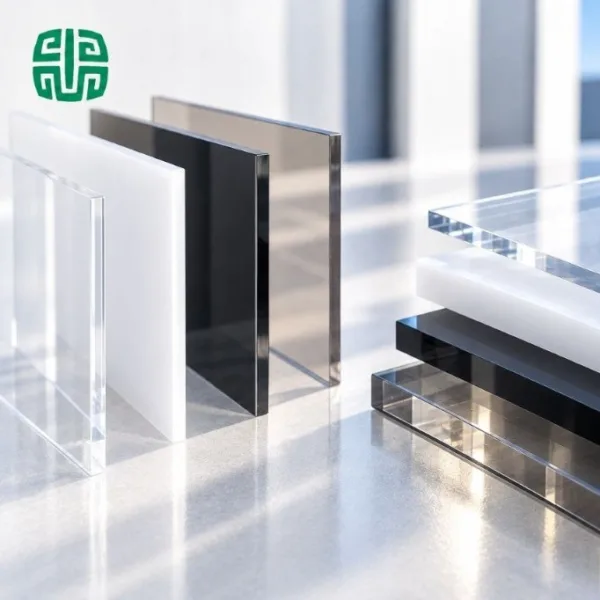
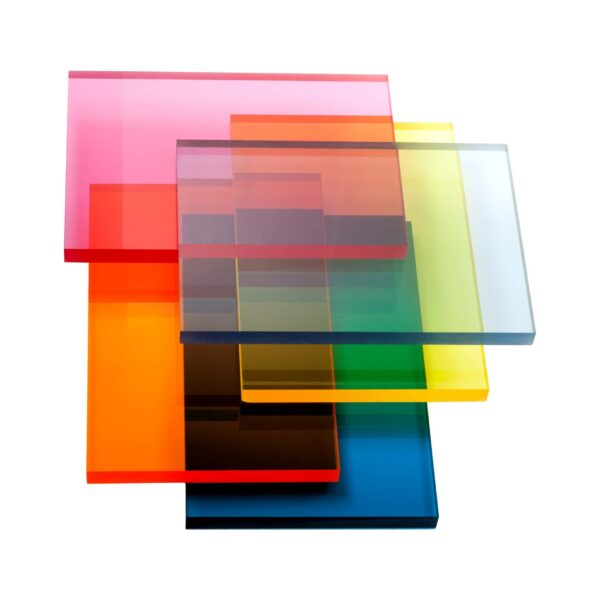
Polymeric material, polymethyl methacrylate (PMMA), is produced through the extrusion method from acrylic resins. This process involves extruding the melted polymer through a shaping orifice. Sheets are manufactured in accordance with ISO 7823-2:2003 standards and can be used both indoors and outdoors. Available in various thicknesses, semi-transparent and opaque colors, textures, and special effects. The entire range is characterized by high transparency, UV resistance, resistance to atmospheric influences and aging, as well as ease of mechanical processing and thermoforming. You can explore all the specifications in more detail.
- Color: Clear
- Thickness: 20 mm
- Weight: 148,81 kg
- Dimensions: 2050 × 3050 × 20 mm
Light transmission for clear >92%, Low haze <1%
Light transmission for frosted 11-30%, depending on sheet thickness
Half the weight of silicate glass
Solid and bright surface
Excellent color stability
Proven weather resistance. Lifetime UV resistance.
Easy thermoforming, mechanical processing, and polishing
Easy to bond
Cold bending capability
No carcinogenic or hazardous substances
Non-toxic fumes in case of fire, easily extinguished with water
100% recyclable
Complies with REACH and RoHS declarations
Density ISO 1183 1.19 g/cm³
Water Absorption ISO 62 (1) 0.3%
Tensile Strength ISO 527-2 72 MPa
Elongation at Break ISO 527-2 4%
Elastic Modulus in Tension ISO 527-2 3300 MPa
Flexural Strength ISO 178 106 MPa
Flexural Modulus ISO 178 3350 MPa
Compressive Strength ISO 604 117 MPa
Hardness, Rockwell, scale M 95
Impact Resistance (unnotched Charpy) ISO 179/1fu 15 kJ/m²
Impact Resistance (notched Charpy) ISO 179/1eA 2 kJ/m²
Impact Resistance (Izod notched) ISO 180/1A 1.5 kJ/m²
PMMA is a combustible material and burns when ignited. However, unlike other polymers, it does not emit toxic or corrosive gases and produces very little smoke, which is a significant safety advantage.
Extruded acrylic sheets are classified:
- HB according to UL94.
- E according to UNE-EN ISO 13501.
Dielectric Strength DIN 53481 20-25 kV/mm
Dielectric Permittivity (50 Hz) DIN 53483 3.7
Dissipation Factor tanδ (1 MHz) DIN 53483 0.04
Surface Resistivity IEC 60093 >10¹⁴ ohms
Volume Resistivity IEC 60093 >>10¹⁵ ohm·cm
Softening Point by Vicat (50 N) ISO 306 105°C
Heat Deflection Temperature (1.82 MPa) ISO 75-1 95°C
Coefficient of Linear Thermal Expansion DIN 53483 0.04
Thermal Conductivity ASTM C177 0.19 W/mK
Maximum Continuous Operating Temperature 70°C
Maximum Short-Term Operating Temperature 90°C
Minimum Temperature -40°C
Refractive Index ISO 489 1.49
Light Transmission (transparent sheet 3 mm) ASTM D1003 92%
Haze (transparent sheet 3 mm) ASTM D1003 <1%
Black Dots >0.4 mm, minimum distance 1 m
Air Bubbles >0.2 mm, minimum distance 1 m
Fish Eyes 1 mm, no more than 5 per 0.5 m²
Shrinkage: After heating, extruded acrylic sheets shrink on cooling, more in the extrusion direction. Allow for this when planning final dimensions.
Sheets are produced in cleanroom conditions and do not require cleaning before use. However, cleaning may be necessary after manufacturing, prior to sensitive processes such as vacuum metallization or printing, or for maintenance during use. If cleaning is required, rinse the sheet surface with clean fresh water and mild soap. To ensure the soap you use is compatible with polymethyl methacrylate, test in an inconspicuous area before cleaning. Use a clean, soft cloth or sponge and rinse thoroughly. Do not scrub or use brushes. Dry with a soft cloth. The use of window cleaning fluids or solvents such as alcohols, turpentine, acetone, etc., may cause damage to the sheet.
Both surfaces of the sheet are protected by a fully recyclable polyethylene (PE) film. Keep this film in place as long as possible and remove it only immediately after installation.
There are two types of protective films for sheets:
- Universal film suitable for mechanical processing
- Easy-peel film suitable for sheets where the film will be removed before processing. This type of film is not suitable if sheet processing needs to be done with the protective film on.
Both types of film are suitable for thermoforming and laser cutting.
Sealed film should be removed before thermoforming to avoid transferring ink to the sheet's surface.
You may also need
All materialsLeave a review